Orthodontist Specialist vs General Dentist: What Patients Should Know
Choosing between an orthodontist specialist and a general dentist for teeth-straightening treatment is one of the most important decisions patients in the Redlands area can make for their long-term smile and oral health. Many families across Alexandra Hills, QLD, and nearby suburbs like Victoria Point, Capalaba, and Cleveland are surprised to learn that not all providers offering braces or aligners carry the same level of training. Understanding the difference can help you make a more confident, informed choice for yourself or your child.
What Is an Orthodontist Specialist?
An orthodontist specialist is a dental professional who has completed advanced, full-time postgraduate training beyond a standard dentistry degree. In Australia, this is a protected credential regulated by AHPRA and the Dental Board of Australia.
In addition to completing a general dental degree, an orthodontist completes an additional three-year full-time university degree in orthodontics, giving them specialised knowledge of irregularities of the teeth and jaw. The minimum education requirement for specialist registration is a Master's qualification in orthodontics, meaning patients are looking at at least eight years of university-level training.
The title "specialist orthodontist" cannot be used unless that specialist registration is held. Patients can verify any practitioner's registration status directly on the publicly accessible AHPRA website before booking an appointment.
How Does a General Dentist Differ?
A general dentist completes a five-year undergraduate dental degree and manages broad oral health care, including examinations, fillings, extractions, root canals, crowns, and dentures. General dentists can legally provide orthodontic treatment in Australia; however, they are not permitted to call themselves specialist orthodontists unless they hold the relevant AHPRA specialist registration.
This distinction is clinically significant. Without postgraduate orthodontic training, a general dentist's scope in managing complex bite and jaw concerns is more limited than that of a registered specialist.
When Should You Choose a Specialist Over a General Dentist?
When it comes to braces and aligner treatment, it is recommended that patients see an Australian registered specialist orthodontist. For more complex cases, including impacted teeth, skeletal discrepancies, surgical orthodontics, or adult interdisciplinary treatment, a registered specialist is the appropriate choice.
In growing children and teenagers, timing also matters. Early intervention for children aged eight to twelve can help reduce problems with teeth and jaw alignment in later years. A specialist is trained to assess jaw growth, guide development, and plan treatment across multiple stages of a child's life.
The Redlands area, including Alexandra Hills, QLD, has a strong family demographic. Many local parents seek orthodontic assessment during primary school years to get ahead of potential alignment issues. Choosing an orthodontist specialist in Alexandra Hills means accessing that level of specialised skill locally.
This is paragraph text. Click it or hit the Manage Text button to change the font, colour, size, format and more. To set up site-wide paragraph and title styles, go to Site Theme.
Does a Referral From Your General Dentist Help?
No referral is needed. Many families come directly, though a dentist's recommendation can support continuity of care between providers.
How Can I Verify an Orthodontist's Specialist Credentials?
Search the practitioner's name at ahpra.gov.au. A specialist orthodontist will hold both general and specialist dentist registration.
What Treatments Can an Orthodontist Specialist Offer?
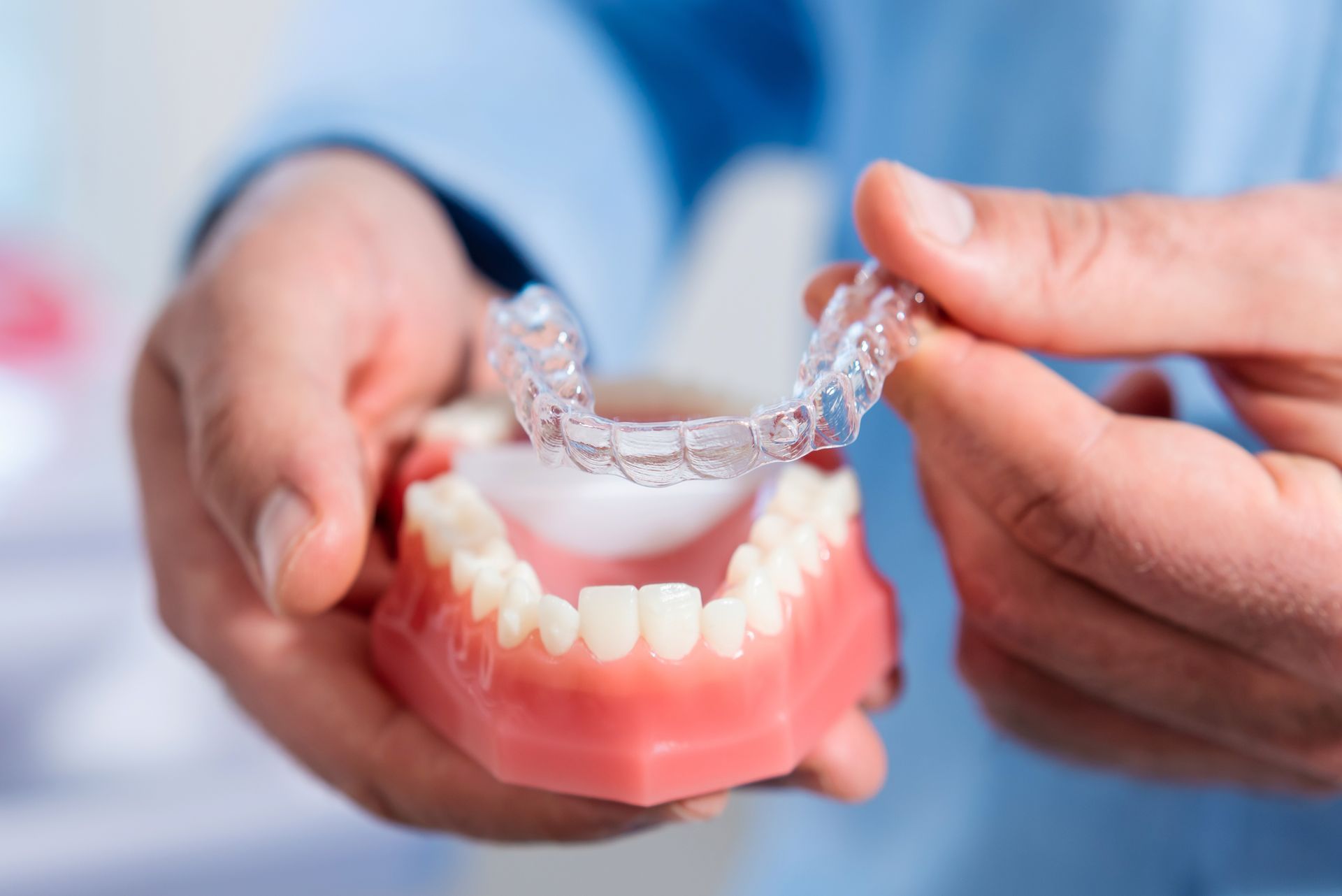
Specialists may offer fixed braces, clear braces, Invisalign, lingual braces, and early treatment for children, supported by advanced diagnostic technology.
Is Orthodontic Specialist Treatment Worth It for Adults?
Yes. Adults benefit from specialist-led care addressing crowding, bite concerns, and alignment changes, with treatment planned around jaw structure and existing dental work.
Retainers & After-Treatment Care
Finishing active treatment with braces or Invisalign is not the end of the process. Retention is the phase that protects your investment, keeping teeth stable in their new position while the bone and gum tissue settle around them.
Wearing a retainer after treatment is essential. Without one, teeth can begin to shift back toward their original position within weeks of braces or aligners being removed. Most orthodontists recommend nightly wear for an extended period, gradually reducing frequency over time as advised.
Removable retainers, such as clear plastic or Hawley-style retainers, and fixed retainers bonded behind the front teeth are both commonly used. A specialist orthodontist will recommend the option best suited to your bite, age, and treatment history.
Skipping retainer wear is one of the most common reasons for relapse after orthodontic treatment. If teeth have already shifted, a specialist can assess whether further treatment is needed to correct the movement.
Ready to Book With a Specialist?
SW Orthodontics is a dedicated orthodontic practice serving Alexandra Hills, QLD, and the wider Redlands region. Led by Dr Sam Wong, an AHPRA-registered specialist orthodontist with over 30 years of clinical experience, the practice offers a full range of modern orthodontic treatments for children, teens, and adults. No referral is required to get started.
To take the next step,
book your appointment online or call the Alexandra Hills practice on
07 3824 8741. You can also find and review the practice on Google via
SW Orthodontics.
Recent Posts